Practical Medical Courses in Yaroslavl: Hands‑On Training, Clinical Cases, and Everyday Life Hacks for Healthcare Professionals
Why practical courses matter in Yaroslavl
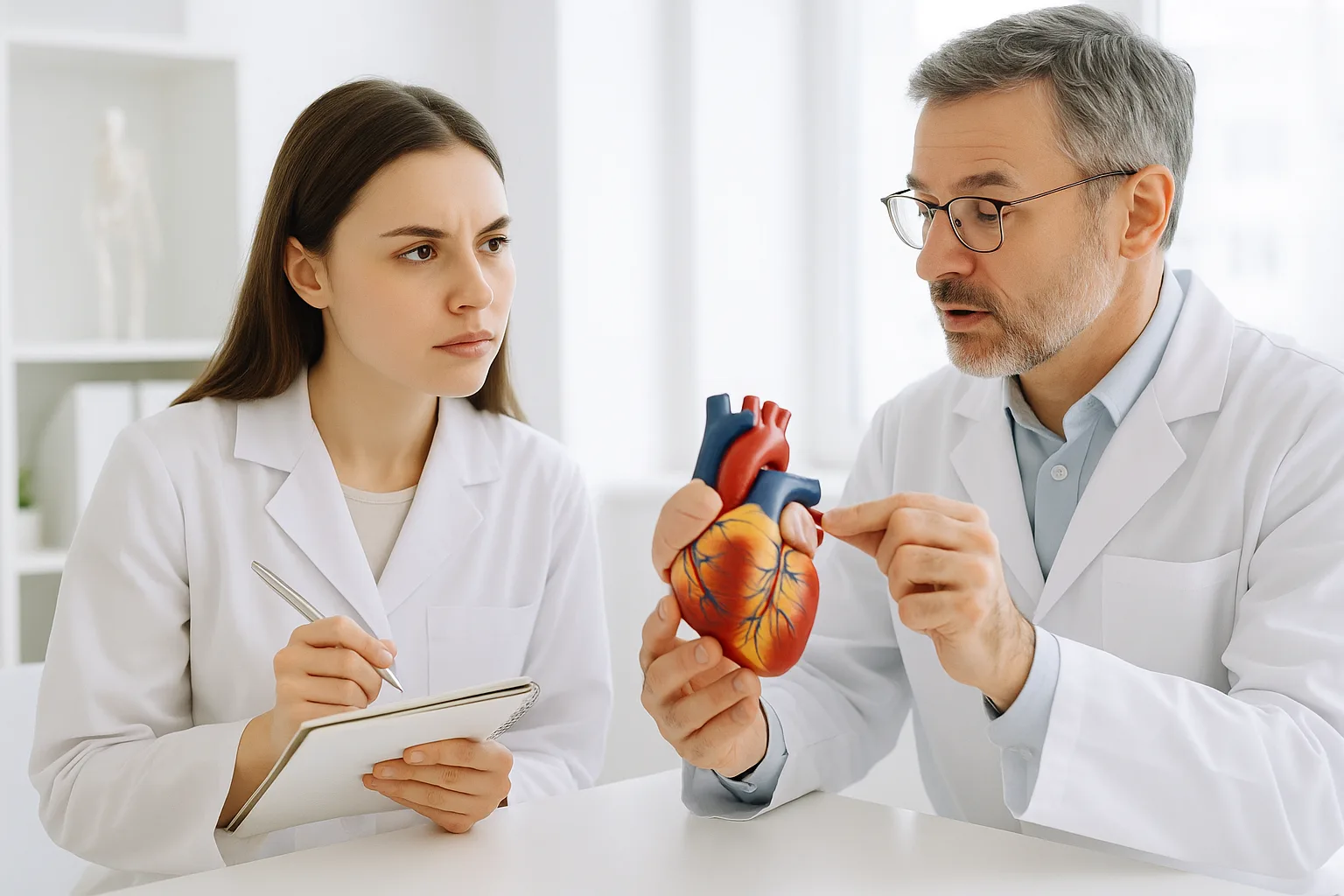
Clinical knowledge alone isn’t enough—doctors, nurses and medical students need hands‑on practice, repeated exposure to real clinical scenarios, and up‑to‑date treatment strategies. Practical courses in Yaroslavl bridge theory and bedside skills: they sharpen decision making, reduce errors, and make everyday work more efficient and less stressful.
Who these courses are for
— Physicians (primary care, internal medicine, emergency medicine, surgery, pediatrics, obstetrics/gynecology)
— Nurses and nurse practitioners
— Final‑year medical students and residents
— Allied health professionals involved in acute care and diagnostics
Typical course formats available in Yaroslavl
— Short hands‑on workshops (1 day): focused procedural skill practice (suturing, IV cannulation, basic airway)
— Bootcamps (weekend): emergency algorithms, team‑based simulation, point‑of‑care ultrasound (POCUS) intro
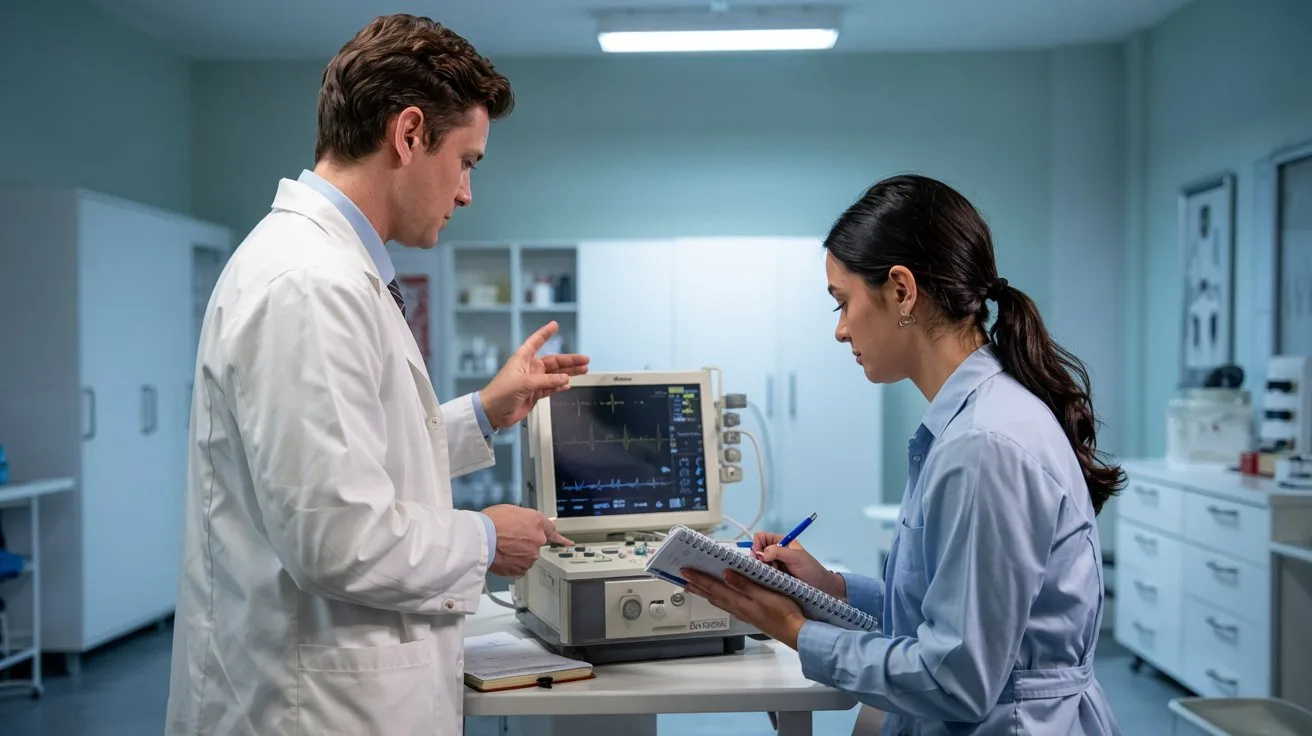
— Modular practical courses (2–5 days): ultrasound, ECG interpretation, sepsis bundles, regional anesthesia
— Simulation and team training: full‑scale simulated scenarios with debriefing
— Case‑based evening seminars: complex clinical case discussion and treatment planning
— Hybrid/online + practical: theory online, skills session on site for efficiency
High‑value topics and learning outcomes
— Emergency and acute care
— Rapid assessment, airway management, non‑technical team skills, high‑yield checklists
— Point‑of‑care ultrasound (POCUS)
— Focused cardiac, lung, abdominal, and vascular scans for bedside decision making
— ECG and arrhythmia management
— Quick recognition of life‑threatening rhythms and immediate interventions
— Sepsis recognition and bundles
— Early sepsis protocols, fluid/vasopressor strategies, antibiotic stewardship
— Procedural skill clinics
— Central venous access, lumbar puncture, wound closure, chest tube insertion
— Perioperative and pain management
— Regional blocks, ERAS concepts, opioid‑sparing techniques
— Pediatrics and neonatal emergencies
— Neonatal resuscitation drills, pediatric airway, dosing and weight‑based calculations
— Chronic disease practical updates
— Practical use of biologics, modern DM and CV risk management algorithms
— Communication and medico‑legal practicalities
— Informed consent in practice, effective handovers, documentation templates
Typical instructors and training environment
— Experienced local clinicians, heads of departments, visiting specialists
— Simulation nurses and certified POCUS instructors
— Small groups (4–10 participants per station) for maximal hands‑on time
— Equipment: high‑fidelity manikins, ultrasound machines, surgical instruments, dedicated simulation rooms
Sample course itineraries (examples)
— 1‑Day Emergency Procedures Bootcamp (Saturday)
— Morning: airway workshop, rapid sequence intubation stations
— Midday: POCUS essentials (FAST, lung, cardiac)
— Afternoon: team‑based simulation, structured debrief
— 3‑Day POCUS Practical Course
— Day 1: physics, machine settings, vascular access
— Day 2: cardiac and lung protocols, case integration
— Day 3: supervised scans on volunteers/patients, image interpretation clinic
— 5‑Day Clinical Case Clinic
— Daily morning case presentations, afternoon small‑group management planning, evening guideline updates and Q&A
Professional advice & life hacks for everyday medical work
— Use structured handover templates (SBAR or simple checklist) to cut errors and save time.
— Build a pocket library: one scanned guideline per condition and one dosing app—keep them offline.
— Practice 10‑minute mini‑skills daily: suturing, knot tying, ultrasound probe handling.
— Use standardised admission and discharge note templates to speed documentation and improve continuity.
— Carry a laminated quick‑reference card: emergency drug dosages, weight‑based calculations, and major algorithms.
— Teach and delegate: short bedside teaching moments (5–10 min) improve team competence without disrupting workflow.
— Checklist culture: integrate pre‑procedure and pre‑discharge checklists to reduce omissions.
— Secure smartphone use: use encrypted messengers for clinical photos and remove personal data from images.
— Plan follow‑up before discharge—simple scheduling reduces readmissions and follow‑up calls.
How to choose the right course
— Check for accredited continuing education or НМО (national medical education) recognition if you need credits.
— Look for high hands‑on time (preferably >50% practical) and small instructor:participant ratio.
— Review the faculty and their clinical experience; courses led by active clinicians tend to be most practical.
— Ask about post‑course support: image review groups, mentorship, or