Practical Medical Courses in Yaroslavl: Hands-On Skills, Clinical Cases, and Everyday Life Hacks for Healthcare Professionals
Why practical courses matter in Yaroslavl (and beyond)
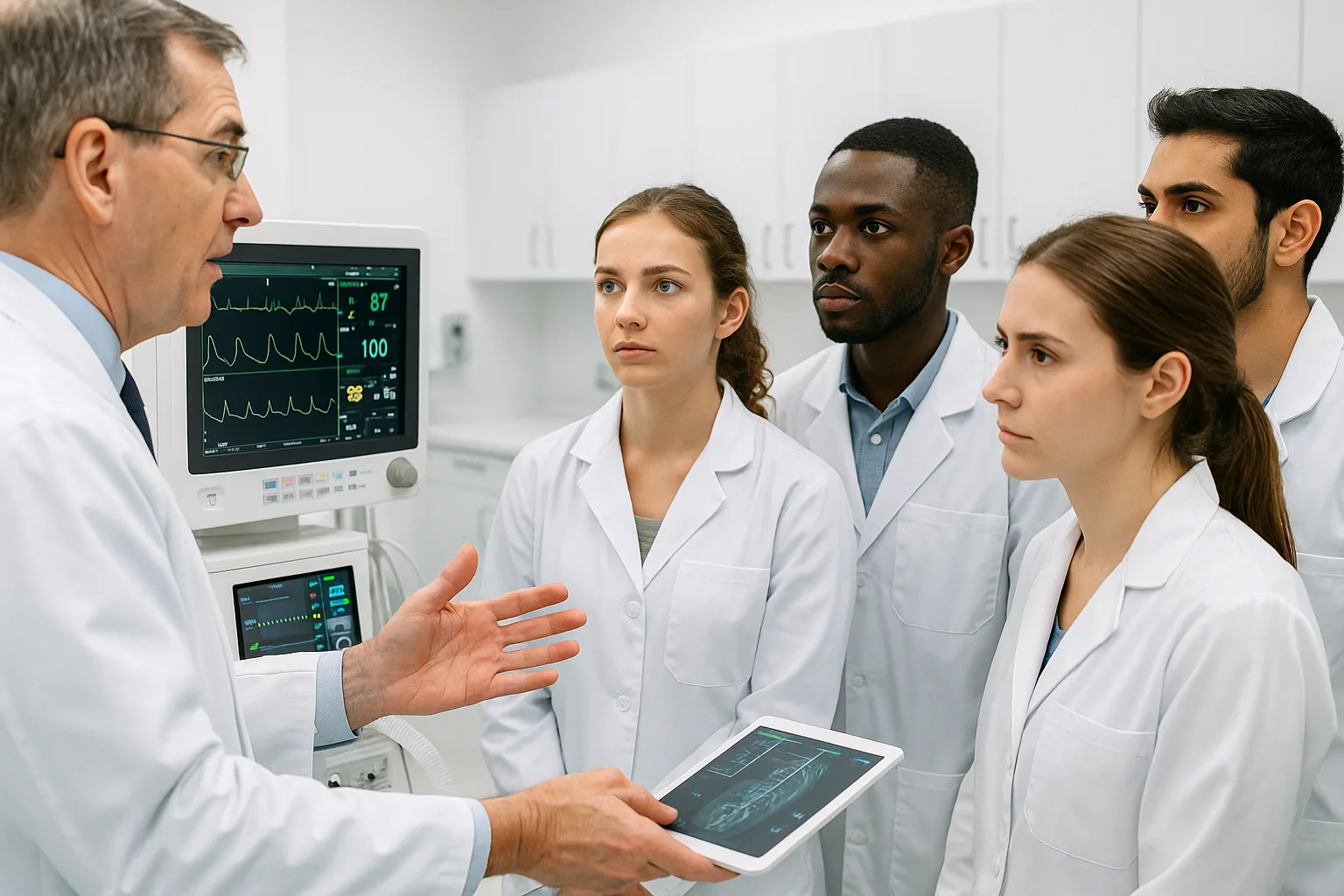
Practical, case-based training bridges the gap between theory and real-world patient care. For doctors, nurses, and medical students in Yaroslavl, targeted courses sharpen clinical reasoning, procedural skills, and team communication — all essential for better outcomes in district hospitals, outpatient clinics, and emergency settings.
— Reinforces evidence-based decision-making under time pressure
— Builds confidence in procedures and acute care scenarios
— Encourages interprofessional collaboration across local healthcare teams
What to expect from a high-quality practical course
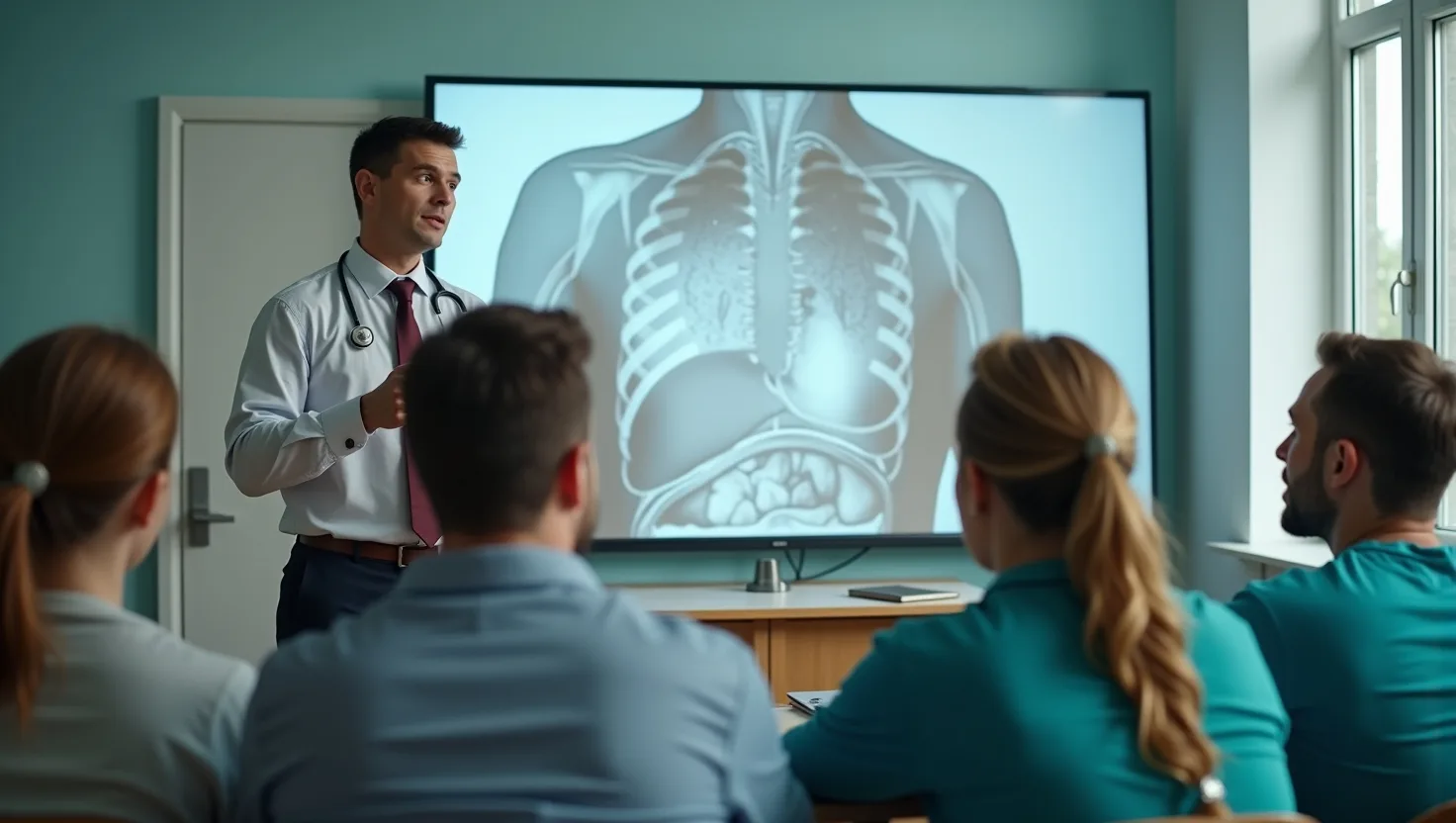
Well-designed courses mix short didactic updates with hands-on practice and reflective discussion.
— Brief, focused lectures on new guidelines or local protocols
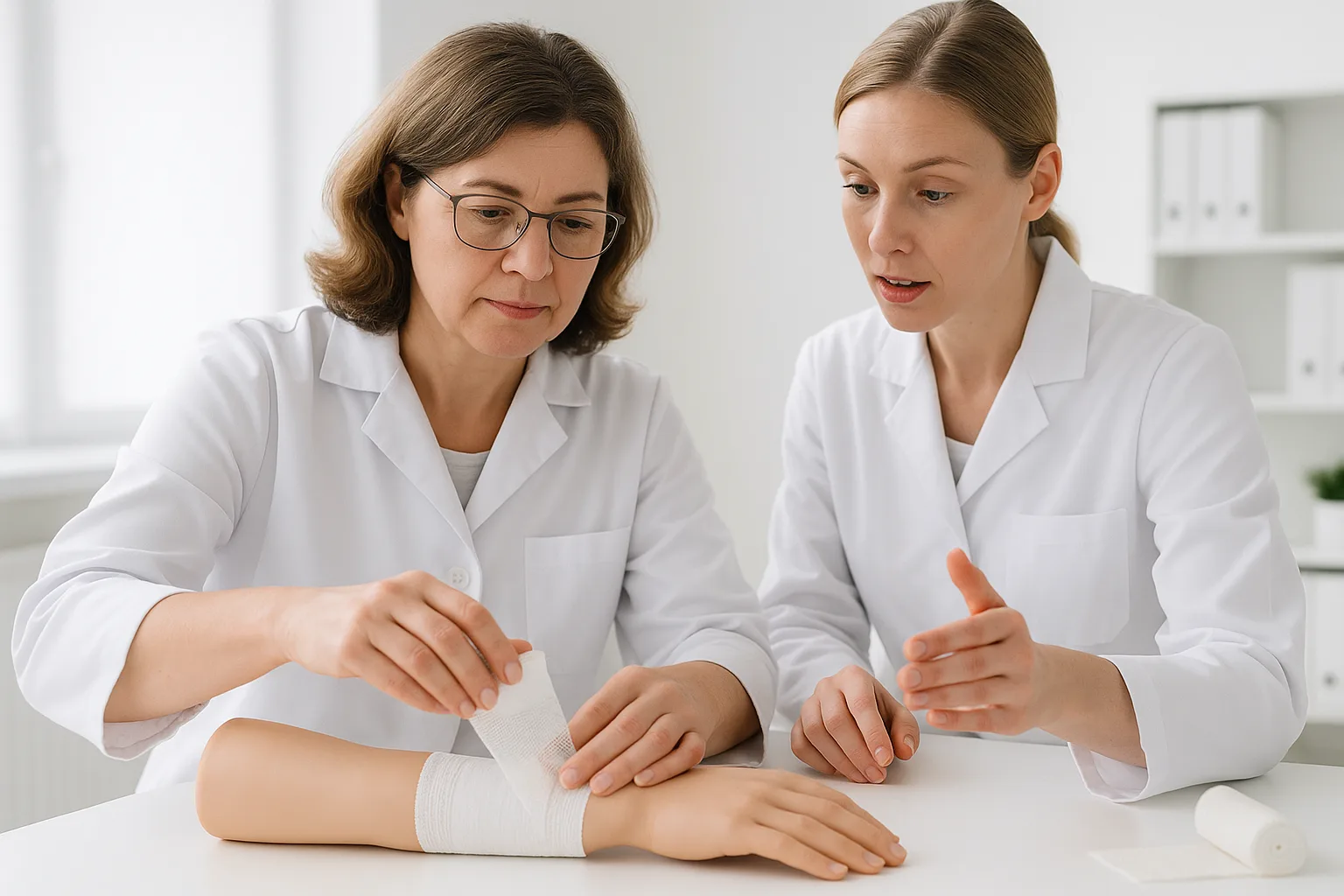
— Simulation sessions (mannequins, task trainers, role-play)
— Real clinical case reviews led by experienced clinicians
— Small-group workshops for skills (airway, ultrasound, suturing)
— Debriefing with practical takeaways participants can apply the next shift
Essential clinical cases to cover (high-yield for Yaroslavl settings)
Include common, high-impact scenarios that reflect local workload and referral patterns:
— Acute coronary syndromes and rapid triage in primary care or ER
— Stroke recognition, thrombolysis criteria, and transfer pathways
— Community-acquired pneumonia: severity scoring and antibiotic choice
— Sepsis: early recognition, initial resuscitation, and local escalation protocols
— Respiratory failure and basic ventilator management for nurses and junior doctors
— Obstetric emergencies: postpartum hemorrhage and hypertensive crises
— Pediatric dehydration and febrile seizures: stabilization and safe disposition
New approaches and trends to include
Keep courses current by integrating innovations that improve care quality and workflow efficiency.
— Point-of-care ultrasound (POCUS) for fast bedside assessments
— Protocolized early sepsis bundles adapted to local resources
— Low-cost simulation and task trainers to enhance skills without high expense
— Telemedicine triage pathways and remote specialist consults for rural outreach
— Multimodal analgesia and opioid-sparing strategies in perioperative care
Professional advice for clinicians
Practical courses should also address soft skills and career resilience.
— Structured handoffs: use standardized checklists (SBAR, I-PASS) to reduce errors
— Time management: batch similar tasks, protect uninterrupted charting time
— Teaching on the job: brief micro-teaching sessions (5–10 min) during rounds consolidate learning
— Documentation: concise, problem-oriented notes that support continuity of care and legal safety
— Reflective practice: short post-shift debriefs to identify learning points and system issues
Life hacks for everyday medical work
Small changes that save time and improve patient care
— Pre-prepare procedure trays with labeled kits to shorten setup time
— Use laminated quick-reference cards for local protocols and emergency drug doses
— Night-shift survival: controlled caffeine, short naps, and light exposure planning
— Mobile photography (with consent and secure storage) for wound monitoring and teleconsults
— Standardize orders for common presentations (pre-built templates in your EMR)
— Quick mnemonic anchors for anxiolytic techniques in pediatric procedures
Organizing and choosing courses in Yaroslavl
Look for programs that combine accreditation, local relevance, and active learning.
— Providers: university-affiliated workshops, regional clinical hospital training centers, specialty societies
— Format: short intensive workshops, simulation days, blended online theory + onsite skills
— Faculty: practicing clinicians with teaching experience and demonstrable outcomes
— Group size: smaller cohorts (6–12) for hands-on stations; larger groups for lectures
— Certification: CPD credits or formal certificates help with professional portfolios
Sample one-day practical course agenda
A template organizers can adapt to local needs.
— 09:00–09:30 — Welcome, objectives, and brief knowledge update
— 09:30–11:00 — Station 1: Acute cardiac and respiratory emergencies (simulation)
— 11:15–12:45 — Station 2: POCUS basics and hands-on scanning
— 12:45–13:30 — Lunch and networking
— 13:30–15:00 — Station 3: Procedural skills (vascular access, suturing)
— 15:15–16:15 — Real clinical cases: group diagnostic reasoning and management plans
— 16:15–17:00 — Debrief, take-home algorithms, and evaluation
How to get involved locally
— Contact the continuing education office at Yaroslavl State Medical University or regional clinical hospitals to learn about upcoming workshops.
— Join local medical societies and online professional groups to hear about peer-led case nights and mini-simulations.
— Propose in-house case-based training at your clinic — many institutions welcome short, practical sessions that improve team readiness.
Conclusion
Practical medical courses tailored to Yaroslavl clinicians produce immediate benefits: safer procedures, faster decision-making, and stronger teamwork. Prioritize hands-on practice, relevant clinical cases, up-to-date approaches, and actionable life hacks — and you’ll see better patient care and greater professional confidence on every shift.
If you’d like, I can draft a one-day course brochure adapted to a specific department (ER, internal medicine, pediatrics) in Yaroslavl.