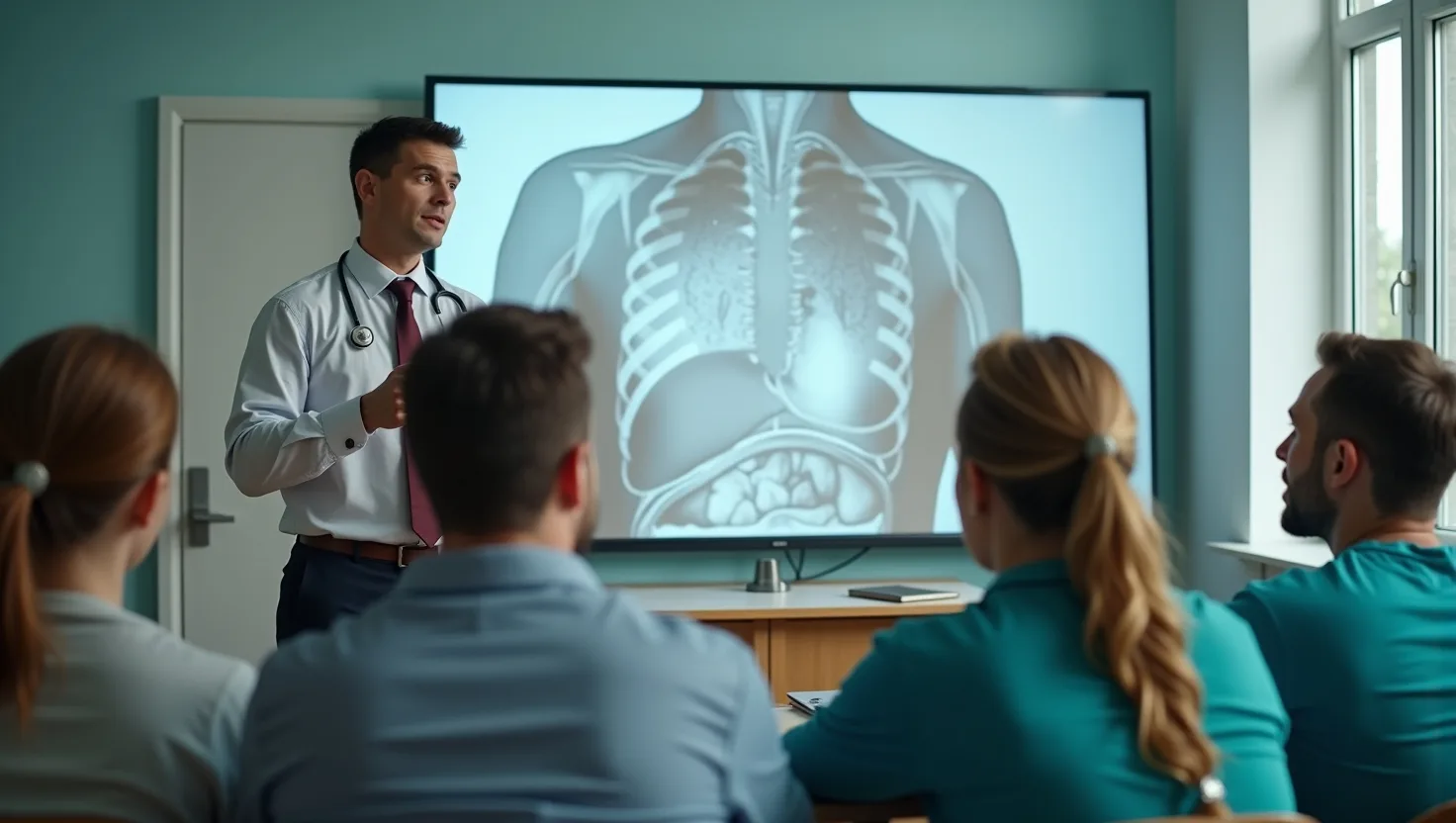
Practical Medical Courses in Yaroslavl: Hands‑On Training for Doctors, Nurses & Students

Why practical courses matter now
Advances in diagnostics, pressure on hospital throughput, and rising patient complexity mean theoretical knowledge is no longer enough. Practical, case‑based training teaches what matters most: rapid decision making, safe procedures, efficient teamwork and communication — skills you use every shift.
If you work in Yaroslavl (doctor, nurse, resident or medical student), targeted hands‑on courses can help you close the gap between guidelines and everyday practice.
Who benefits
— Junior doctors & residents — procedural skills, acute care algorithms, diagnostic reasoning.
— Nurses & nurse practitioners — IV/central line care, wound management, triage, patient education.
— Medical students — bedside clinical reasoning, basic procedures, exam readiness.
— All clinicians — communication, documentation, workflow hacks to save time and reduce errors.
What practical courses typically cover
Courses emphasize active learning and real cases rather than lectures.
Core modules you should look for:
— Simulation & bedside teaching with real clinical cases
— Emergency algorithms: airway, shock, sepsis, chest pain, stroke
— Ultrasound in clinical practice (POCUS): FAST, lung, cardiac, vascular access
— Hands‑on procedural skills: suturing, lumbar puncture, central venous access, insertion of chest drains, arthrocentesis
— ECG & rhythm interpretation with case practice
— Wound care, dressings, and minor procedures for nurses
— Antibiotic stewardship and updated treatment approaches
— Geriatric and polypharmacy management (very relevant in regional practice)
— Communication, breaking bad news, consent and medico‑legal basics
— Time management, documentation and safe handovers (SBAR, checklists)
Sample 2‑day practical workshop (typical)
Day 1 — Acute care & procedures
— Morning: sepsis and shock cases; airway management station
— Afternoon: POCUS hands‑on (lung, cardiac, IV access)
— Evening: ECG cases and arrhythmia workshop
Day 2 — Procedures & practical systems
— Morning: suturing, wound care, lumbar puncture, catheter skills
— Afternoon: safe prescribing, case‑based antibiotic decisions, legal/communication scenarios
— Final: structured case competition and feedback
How to choose a good course in Yaroslavl
Ask these questions before enrolling:
— Is it hands‑on with small groups and real equipment?
— Who are the instructors — active clinicians with teaching experience?
— Is there follow‑up support (mentoring, online resources, repeat practice)?
— Does the program provide a certificate or credits recognized for continuing professional development?
— How many procedures per trainee on average? (Look for guaranteed hands‑on time.)
— Is local epidemiology and resource availability considered (regional protocols)?
Look for courses run by local hospitals, professional societies, or simulation centers; many Yaroslavl clinicians find valuable programs at university departments and district clinical hospitals.
Practical life hacks to use immediately
— Keep a concise pocket reference (antibiotics, shock algorithm, fluid bolus rules).
— Use checklists for procedures — they reduce complications and speed up setup.
— Master one fast POCUS view (e.g., lung sliding or FAST) and expand later.
— Standardize handovers with SBAR — reduces misunderstandings on shifts.
— Build a quick photo library (anonymized) of interesting cases for learning and presentations.
— Use templates for discharge summaries and prescriptions to save time and reduce errors.
— Schedule “teaching rounds” once weekly to share cases and practical tips with your team.
— Keep a basic procedure kit ready in your mobile bag (sterile gloves, scalpel, suture kit, local anesthetic).
New approaches and trends to watch
— POCUS as an extension of the physical exam — fast answers at bedside.
— Telemedicine consultations for triage and follow‑up, especially in regional practice.
— Micro‑learning: short, repeated practical sessions (better retention than long one‑offs).
— Simulation for team training — reduces real‑life errors in emergencies.
— Evidence‑based stewardship and diagnostic stewardship to curb unnecessary tests and antibiotics.
Career & professional development tips
— Document procedures and cases in a portfolio — useful for promotion and certification.
— Seek mentorship locally: experienced clinicians can guide case discussions and career choices.
— Present one practical case at a local meeting every few months — builds confidence and CV.
— Combine local face‑to‑face training with accredited online modules to meet continuing education requirements.
Where to find courses in Yaroslavl
— Check CME departments at regional hospitals and medical faculties.
— Watch professional society announcements (medical and nursing associations).
— Follow local clinician groups on social networks for course listings and peer recommendations.
— Attend hospital grand rounds and workshops — many lead to longer practical courses.
What to bring to any practical course
— ID and proof of profession/education
— Stethoscope, basic penlight, clipboard or tablet for notes
— Scrubs or professional attire as requested
— Any required vaccination or health documents (ask organizers)
— Eagerness to participate — courses are most valuable when you practice
Final thought
Practical medical courses transform knowledge into reliable action. In Yaroslavl’s hospitals and clinics, clinicians who invest in hands‑on, case‑based training quickly notice safer procedures, faster decision‑making and improved patient care. Choose programs with small groups, experienced tutors and real equipment — and turn what you learn into everyday habits on every shift.
If you want, I can help you draft an email to local hospitals requesting course schedules or a checklist to evaluate specific course offers. Which would you prefer?