Practical Medical Courses in Yaroslavl: Hands‑On Training, Clinical Cases, and Everyday Life Hacks for Healthcare Professionals
Practical Medical Courses in Yaroslavl: Hands‑On Training, Clinical Cases, and Everyday Life Hacks for Healthcare Professionals
Whether you are a doctor, nurse, or medical student in Yaroslavl, practical continuing education is the fastest way to sharpen clinical skills, adopt modern treatment approaches, and make everyday work safer and more efficient. Below is a compact guide to choosing, attending, and getting the most from hands‑on medical courses in the region.
Why hands‑on courses matter
— Emphasize real clinical problem solving over theory.
— Improve procedural competence (ultrasound, airway management, suturing).
— Boost confidence in emergency situations and routine care.
— Translate new evidence into everyday practice faster than passive learning.
Types of practical courses to look for
— Clinical case workshops (problem‑based learning, bedside rounds)
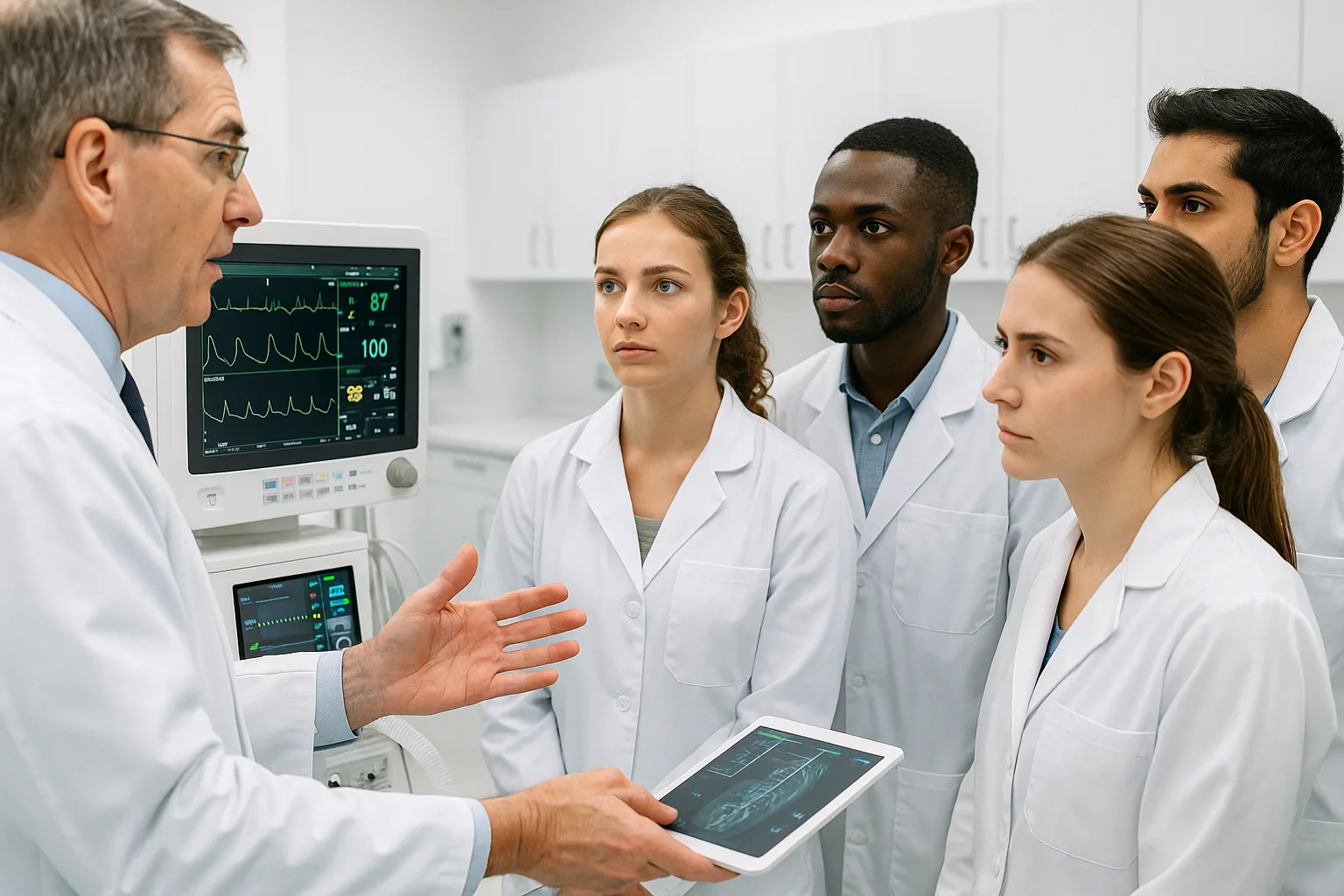
— Simulation training (high‑fidelity mannequins, simulated emergencies)
— Procedural skill labs (IV lines, central venous access, suturing, local blocks)
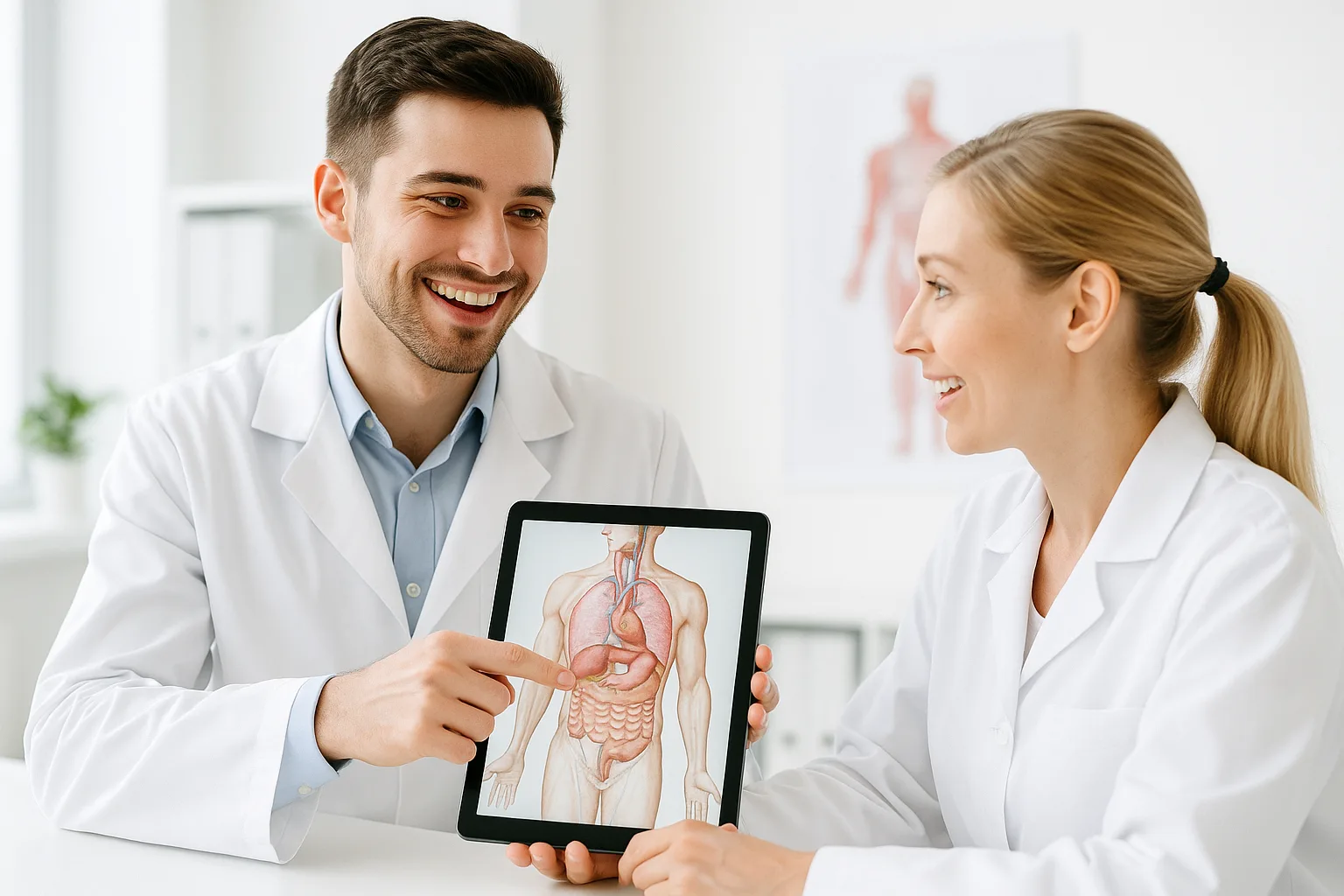
— Point‑of‑care ultrasound (POCUS) and basic imaging interpretation
— Emergency management (ALS/ATLS, sepsis bundles, trauma)
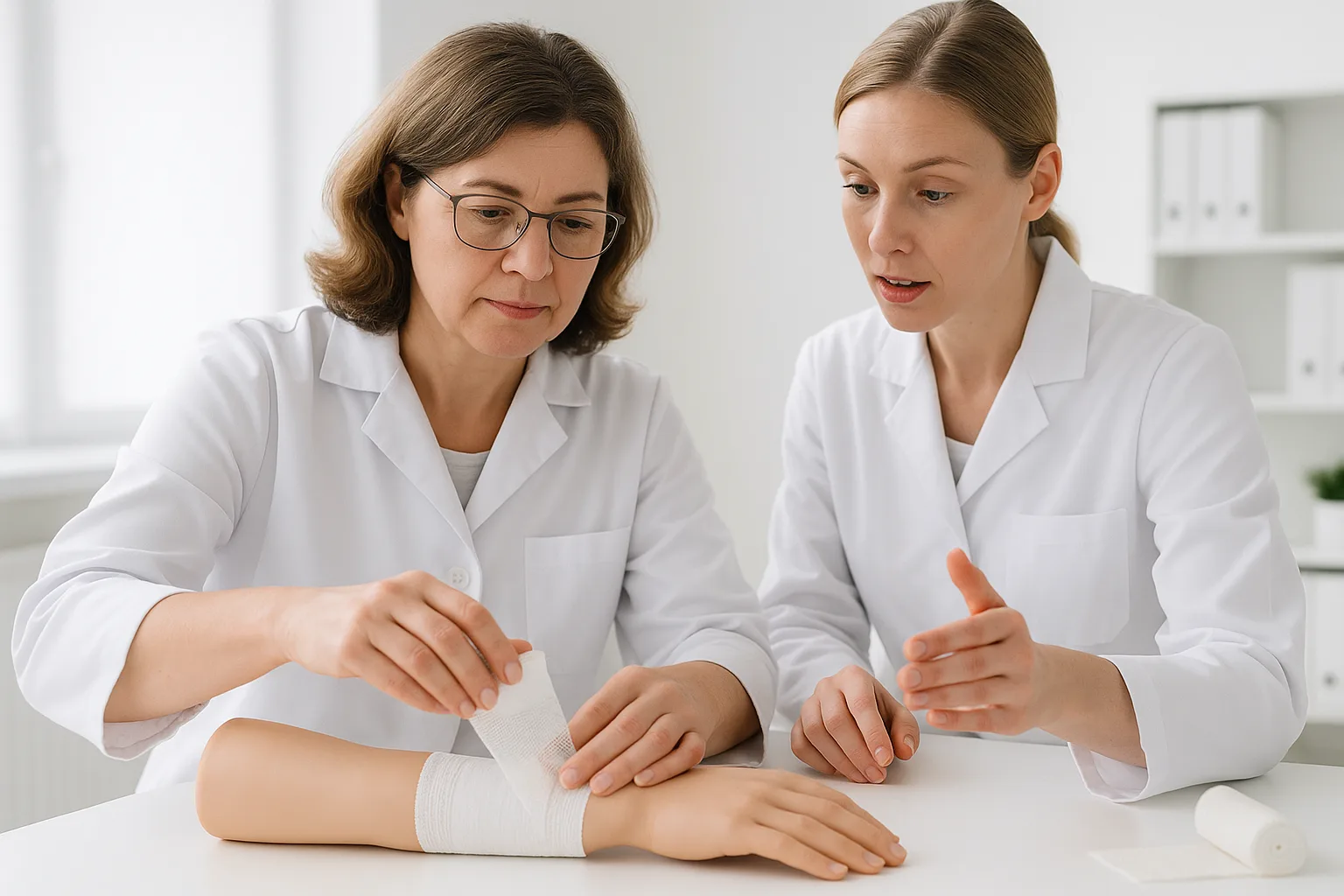
— Wound care and minor surgery techniques
— Antibiotic stewardship and rational prescribing
— Palliative care and communication skills with difficult patients
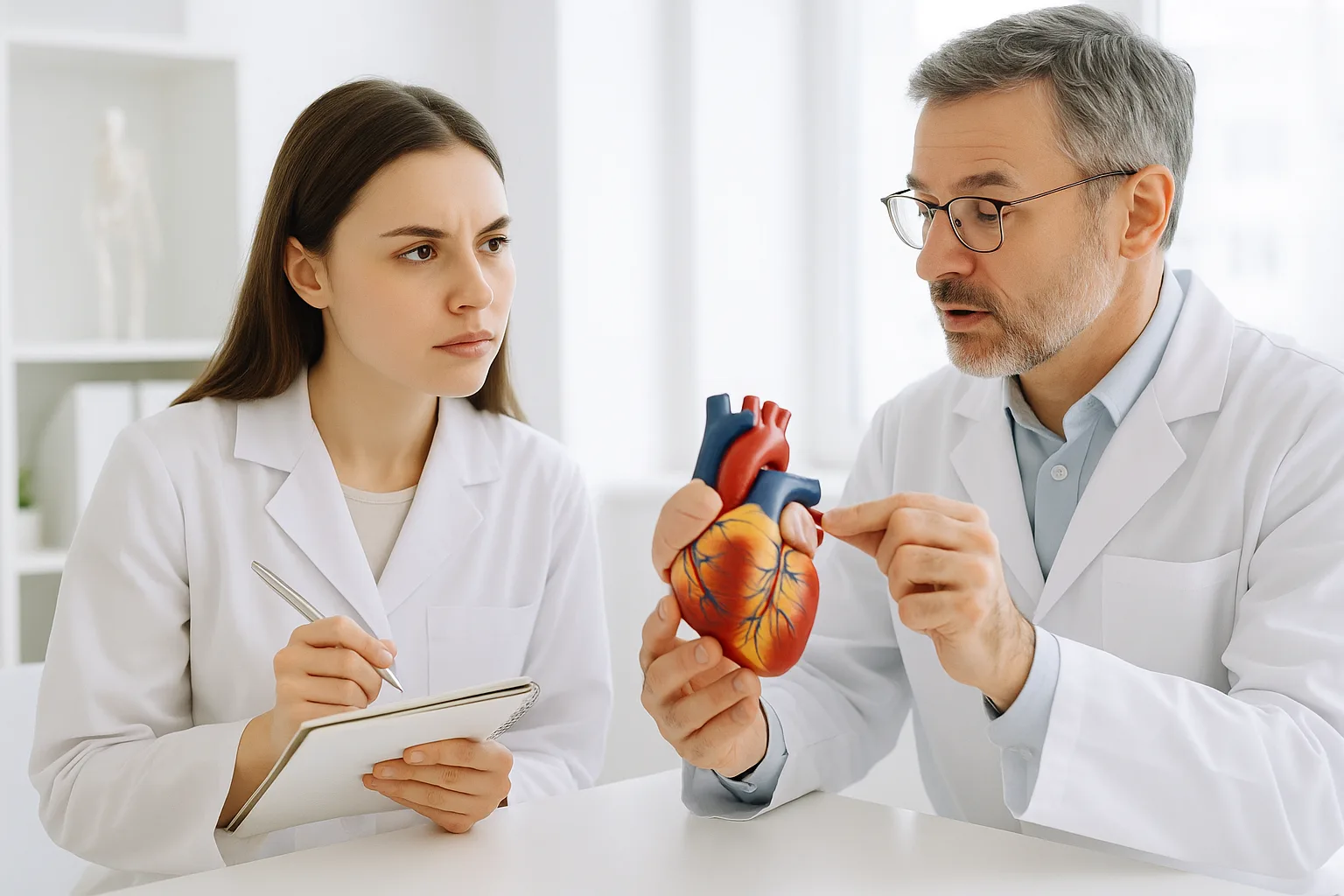
— Specialty short courses: cardiology, pulmonology, geriatrics, pediatrics
— Interprofessional teamwork and leadership in clinical settings
Sample course formats and who they suit
— One‑day workshops — ideal for busy clinicians seeking a focused skill (e.g., suturing, POCUS basics).
— 2–5 day intensive courses — deeper practice and supervised repetition (e.g., airway management, emergency simulation).
— Weekly modular programs — integrate into shifts; good for nurses and residents.
— Mentored bedside rotations / small‑group case conferences — best for students and junior doctors.
— Blended/hybrid options — theory online, hands‑on practice in person.
What a practical course curriculum should include
— Short evidence‑based lectures tied to clinical cases
— Demonstration by experienced instructors
— Supervised hands‑on practice with feedback
— Structured debriefs and takeaway checklists
— Assessment (direct observation, OSCE‑style station, or practical test)
— Certificate of completion and information about CME credit (if available)
New approaches and topics to prioritize
— Point‑of‑care ultrasound for rapid bedside diagnosis
— Protocolised sepsis and acute care pathways (time‑critical interventions)
— Minimally invasive procedures and safe sedation practices
— Telemedicine workflows for rural/outpatient follow‑up
— Antimicrobial stewardship and rapid diagnostics
— Enhanced Recovery After Surgery (ERAS) principles in perioperative care
— Personalized medicine basics relevant to everyday prescribing
Practical professional advice & life hacks for daily clinical work
— Use focused checklists for high‑risk procedures (pre‑procedure briefing, time‑out).
— Keep a pocket or phone template for common orders and discharge instructions.
— Master a small set of reliable mnemonics for initial assessment and handoffs.
— Batch similar tasks (med reconciliation, documentation) to reduce interruptions.
— Use voice‑to‑text for faster notes when appropriate and double‑check later.
— Photograph and archive common wound cases (with consent) to track progress.
— Build quick reference cards for local formularies and antibiotic choices.
— Learn two high‑yield ultrasound views for rapid bedside decision making.
— Practice short, structured debriefs after critical events to consolidate learning.
How to choose a quality course in Yaroslavl
— Check accreditation and whether CME/credit is provided.
— Verify instructor credentials—look for clinicians with active practice and teaching experience.
— Prefer courses with high instructor-to-participant ratios for more hands‑on time.
— Ask for a detailed syllabus and sample cases beforehand.
— Read participant feedback and ask for references from past attendees.
— Confirm the availability of simulation models, ultrasound machines, and relevant consumables.
— Check language of instruction (Russian, bilingual) and whether materials are provided.
Logistics and practical tips
— Plan for hands‑on practice—wear clinical clothing and bring ID, stethoscope, and tablet/phone.
— Students and trainees: ask about discounts or scholarship spots.
— Group bookings often reduce fees—coordinate with your department.
— Evening and weekend options exist for shift workers; consider hybrid courses to save travel time.
— Keep copies of certificates and any assessment results for credentialing.
Building a local learning plan (example)
— Month 1: One‑day POCUS basics workshop
— Month 2: Night shift simulation on common emergencies (sepsis, acute dyspnea)
— Month 4: Procedural skills lab (IVs, sutures, local anesthesia)
— Ongoing: Monthly case conference with morbidity review and short teaching pearls
Networking and continuing development in Yaroslavl
— Join local professional groups and messaging channels for announcements.
— Collaborate with hospital education departments to host recurring sessions.
— Partner with nearby regional centers for access to advanced simulation facilities.
— Propose microteaching sessions at your workplace—short peer‑led practical classes are highly effective.
Final checklist before registering
— Course aims match your learning objectives.
— Hands‑on component is prominent and well‑resourced.
— Instructor credentials and participant feedback are satisfactory.
— Clear information on certification and CME availability.
— Practical scheduling and pricing work for you and your team.
If you want, I can:
— Draft a 1‑day practical course syllabus for a specific skill (e.g., POCUS or airway management).
— Suggest an email template to request group training from local hospitals or centers.
— Create a one‑page checklist for evaluating course quality.
Which would you like next?