Practical Medical Courses in Yaroslavl: Hands-On Clinical Cases, New Treatments, and Everyday Life Hacks for Healthcare Professionals
Why practical courses matter in Yaroslavl
Medical knowledge evolves fast. For doctors, nurses, and medical students in Yaroslavl, practical, case-based courses bridge the gap between theory and safe, efficient bedside practice. Well-designed courses sharpen clinical reasoning, teach up-to-date treatment algorithms, and deliver reproducible procedural skills that improve patient outcomes in regional hospitals and outpatient clinics.
Who benefits
— *Physicians* — improve diagnostic accuracy, procedural confidence, and familiarity with the latest treatment protocols.
— *Nurses* — master emergency nursing, IV/central-line skills, wound care, and critical monitoring.
— *Medical students* — convert textbook knowledge into clinical decision-making and procedural competence.
Core course features that work
— Case-based learning with real regional scenarios (cardiology, sepsis, stroke, trauma, obstetrics).
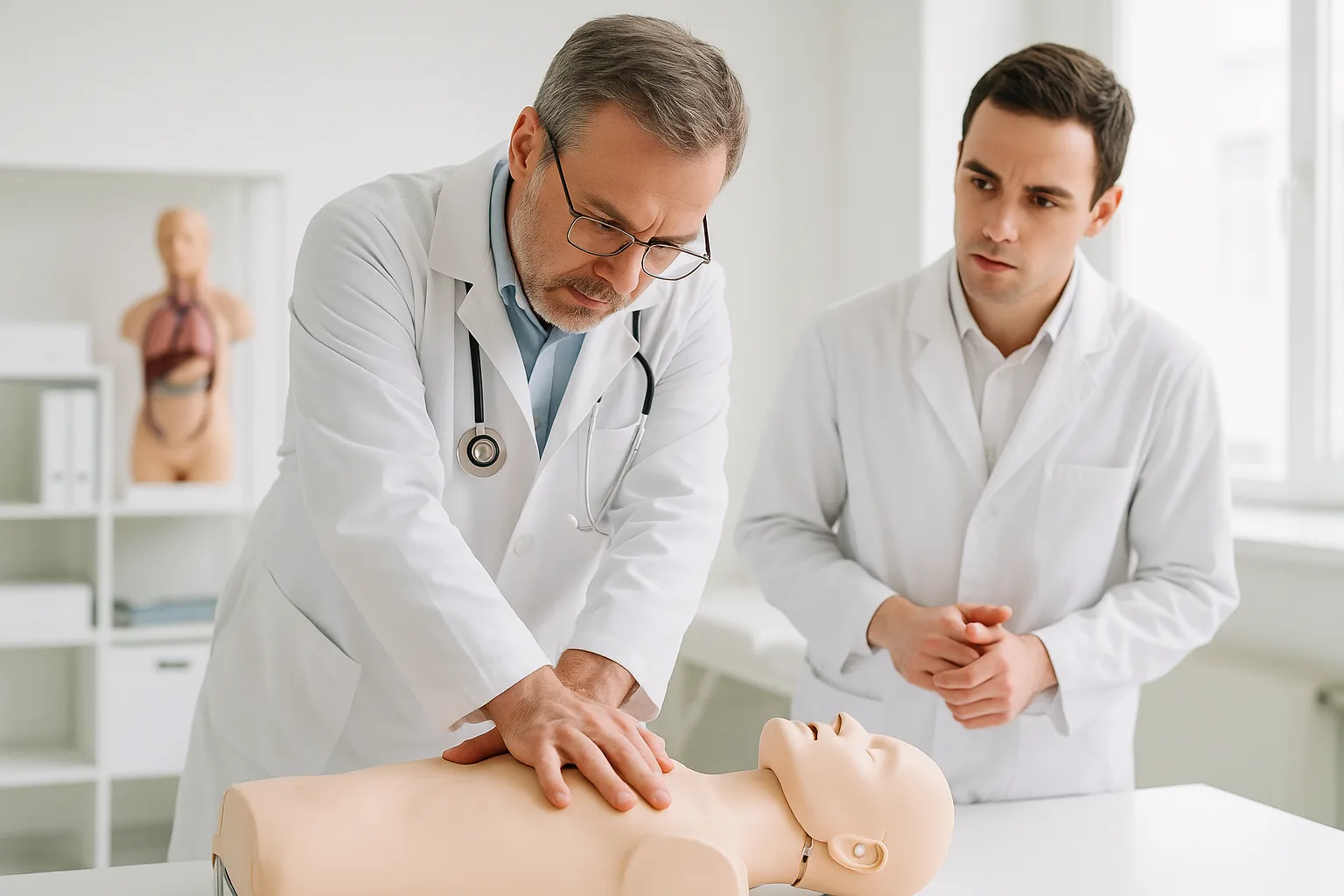
— Hands-on stations: ultrasound (POCUS), airway management, vascular access, suturing, wound care, basic obstetric emergencies.
— Evidence updates: concise reviews of recent guideline changes and local MOH recommendations.
— Simulation and team-based drills for crisis resource management.
— Practical tools: checklists, SBAR handoffs, documentation templates, drug dosage calculators.
— Assessment: formative OSCE-style stations and final competency sign-off.
— Accreditation: CPD/continuing education credits where possible.
Sample one-day intensive agenda
— 08:30 — Registration, goals, and pre-course self-assessment
— 09:00 — Brief interactive lecture: diagnostic approach to acute dyspnea (case-driven)
— 09:45 — POCUS basics: cardiac and lung exams (hands-on, 1 instructor:4 participants)
— 11:15 — Vascular access workshop: peripheral and ultrasound-guided central line practice
— 12:30 — Lunch + clinical guideline updates (sepsis, stroke, antithrombotic therapy)
— 13:30 — Emergency obstetrics and postpartum hemorrhage simulation
— 15:00 — Suturing and wound care station
— 16:00 — Interprofessional team simulation: chest pain → STEMI pathway (from triage to transfer)
— 17:00 — Debrief, post-course test, certificate and practical takeaways
Key clinical modules to prioritize
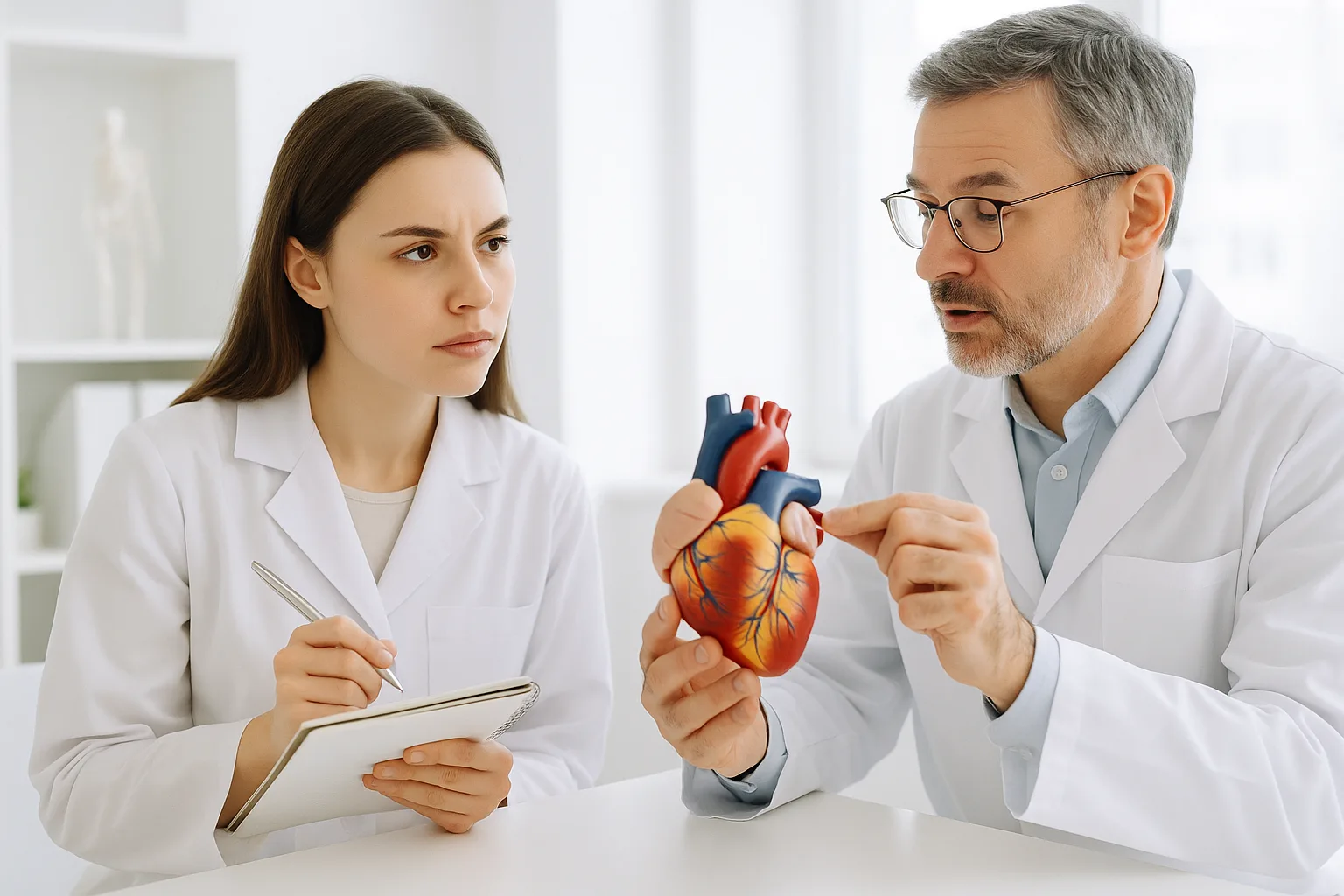
— Acute cardiovascular care: chest pain protocols, atrial fibrillation management, post-MI care.
— Stroke: recognition, FAST/Telestroke triage, thrombolysis criteria, acute rehab referral.
— Sepsis and infection control: early recognition, sepsis bundles, antibiotic stewardship principles.
— Emergency airway and ventilation basics.
— Point-of-care ultrasound: focused cardiac, lung, FAST, and procedural guidance.
— Diabetes emergencies and endocrine crises.
— Obstetrics: PPH management, shoulder dystocia drills.
— Wound management, local anesthesia, and minor procedures.
New approaches to highlight
— Rapid adoption of POCUS for faster bedside diagnosis and procedural safety.
— Telemedicine workflows for follow-up and specialist consults — practical setup and documentation.
— Protocolized sepsis bundles adapted for resource-constrained settings.
— Antimicrobial stewardship integrated into ward rounds and discharge planning.
— Multimodal analgesia and opioid-sparing perioperative strategies.
Practical life hacks for daily medical work
— Use SBAR for every handoff — write the one-line problem you want solved first.
— Prepare procedure trays in advance: standardized kits save 3–5 minutes per case.
— Template common notes (SOAP/EPIC-style) with dropdowns to reduce typing time.
— Keep a laminated pocket card with local emergency drug doses and infusion rates.
— Teach nurses and juniors 1-minute ultrasound checks (lung sliding, pleural effusion) to speed triage.
— Batch administrative tasks (referrals, discharge summaries) into one protected hour.
— Use voice dictation for long clinical summaries; always proofread critical data.
— Run short 10–15 minute simulation huddles weekly to reinforce team roles.
Organizing courses in Yaroslavl — practical tips
— Partner with Yaroslavl State Medical University, regional hospitals, or local continuing education centers for accreditation and facilities.
— Schedule weekend or evening modules to suit shift workers.
— Offer blended learning: pre-recorded lectures + in-person skills day to maximize hands-on time.
— Keep group sizes small for skill stations (max 6 per instructor for hands-on ultrasound).
— Provide multilingual materials if participants include trainees from different regions.
— Offer tiered pricing: student, nurse, physician, and group discounts for hospital teams.
— Seek feedback with actionable metrics (confidence, objective skills performance) and iterate.
Assessment and certification
— Combine short MCQ pre/post-tests for knowledge gain and OSCE or skills checklists for practical competence.
— Provide certificates mentioning hands-on competencies — useful for employer records and career progression.
— If possible, align with regional CPD requirements to increase uptake.
Resources and tools to recommend
— Local clinical guidelines and Ministry of Health protocol summaries.
— Open-access journals and PubMed for latest evidence.
— Pocket reference cards: emergency drug doses, ACLS/ATLS quick checks.
— Simulation manikins, ultrasound trainers, and procedure task trainers for practice.
— Simple checklist apps or cloud templates for handovers and ward rounds.
Marketing angle for Yaroslavl audience
— Emphasize local relevance: cases drawn from Yaroslavl regional hospitals and primary care.
— Highlight measurable outcomes: faster triage, fewer line complications, improved guideline adherence.
— Offer corporate/team packages for hospitals seeking immediate departmental upskilling.
— Use testimonials and short video clips of hands-on sessions to build trust.
Closing recommendations
— Start with a compact pilot: one-day intensive for 20–24 participants, measure outcomes, then scale.
— Focus on repeatable, high-yield skills (POCUS, vascular access, airway) and teamwork training.
— Keep materials practical, locally adapted, and easily integrated into daily workflows.
If you want, I can draft a full course syllabus (3-day or 5-day), sample assessment checklists, or a flyer targeted specifically at Yaroslavl hospitals and students. Which would you prefer?